
November 11, 2025, From PhoenixNet
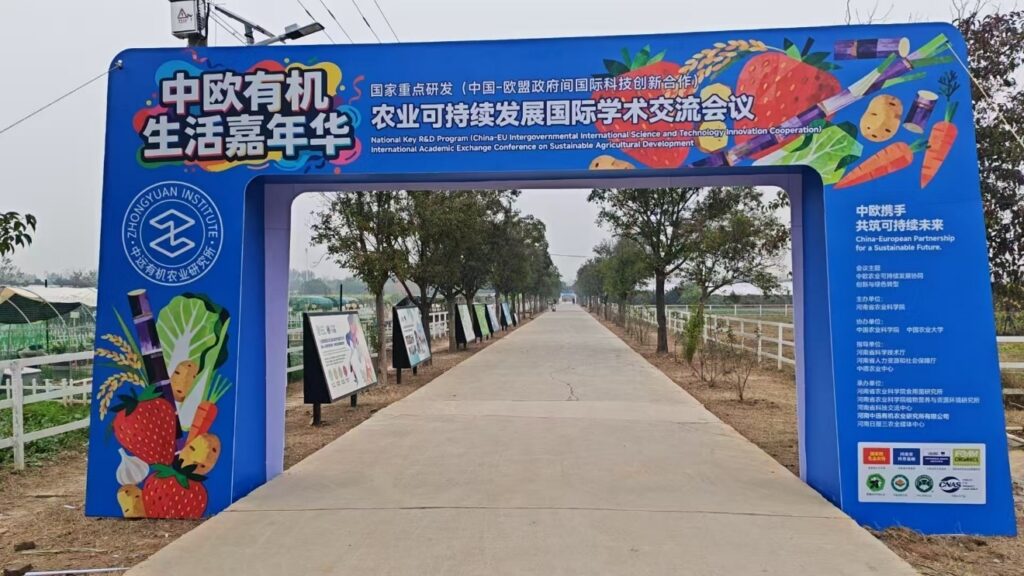
A grand gathering of top-tier agricultural wisdom from China and Europe recently concluded successfully in Zhengzhou, Henan. The “International Academic Exchange Conference on Agricultural Sustainable Development,” supported by the Ministry of Science and Technology’s China-EU Intergovernmental International S&T Innovation Cooperation Key Special Project, focused on the core theme of “Nutrient Management and Low-Carbon Circular Utilization.” Through a week-long program of academic seminars, field observations, and innovative practices, this event has written a new chapter in China-EU agricultural S&T cooperation, accelerating the transition of green agricultural technologies from laboratories to farmlands and ultimately onto the dining tables of ordinary households.
Deep Integration of Industry, Academia, and Research: Solving “Neck-Stuck” Problems
On the opening day of the conference, the strategic cooperation agreement signed between the Beijing Key Laboratory of Biodiversity and Organic Agriculture at China Agricultural University and the Henan Zhongyuan Organic Agriculture Research Institute became the highlight of the event.
This cooperation is not merely a simple technology transfer but a deep practice under the framework of China-EU intergovernmental S&T cooperation. It establishes a direct channel from “Laboratory to Field,” rapidly converting advanced international agricultural concepts into real productivity.
Leveraging the EU’s “Agricultural Nutrient Management based on Nature’s Solutions” (ECONUTRI) project, both sides will focus on solving common problems restricting the sustainable development of Chinese agriculture, such as soil continuous cropping obstacles and excessive reliance on chemical fertilizers. Through systematic localization verification and optimization, the collaboration will establish replicable and scalable standardized technical solutions at the Henan Zhongyuan Demonstration Park. This initiative directly assists cooperative bases and surrounding farmers in achieving the dual goals of “increased production and increased income,” providing a practical technical path for the green transformation of agriculture.
“Down-to-Earth” Organic Carnival: International Science Enters Ordinary Homes
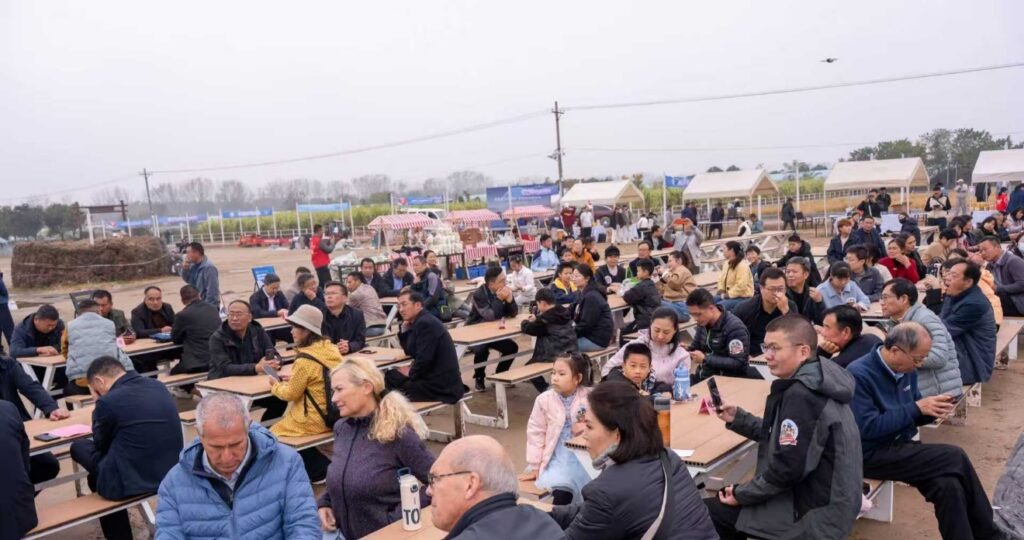
On November 8th, the Organic Agriculture Carnival held at the Henan Zhongyuan Organic Agriculture Research Institute Demonstration Park became the most popular highlight of the event. This science popularization feast for the public transformed high-end research results from the EU’s “Horizon Programme” into tangible, tastable, and learnable life experiences, bringing cutting-edge international agricultural S&T into daily life in a friendly manner.
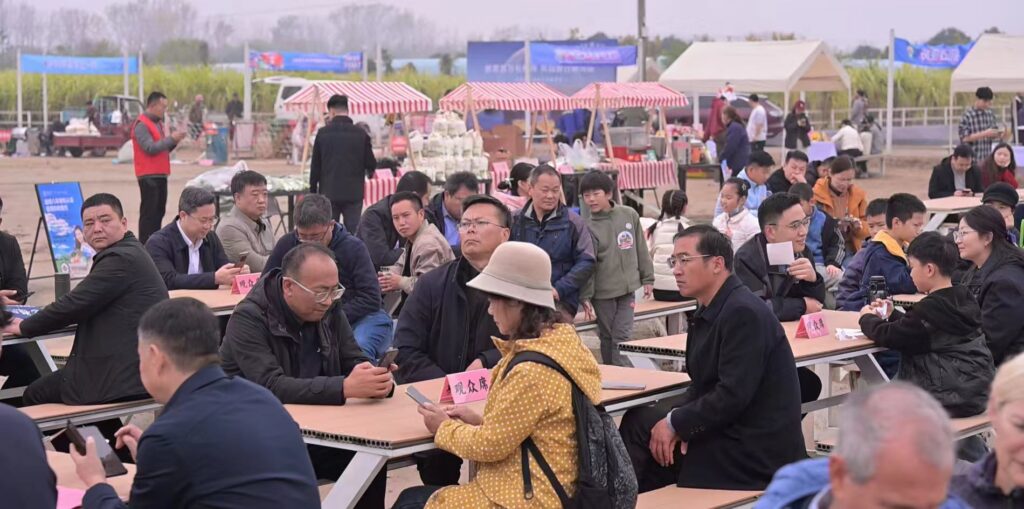
The carnival featured four interactive zones: “Experience, Education, Consumption, and Display.” The “Potted Strawberries and Organic Fruits/Vegetables Tasting Area” was bustling with activity. Agricultural products cultivated using the “High-Value Transformation of Agricultural Organic Waste” technology received high praise from citizens.
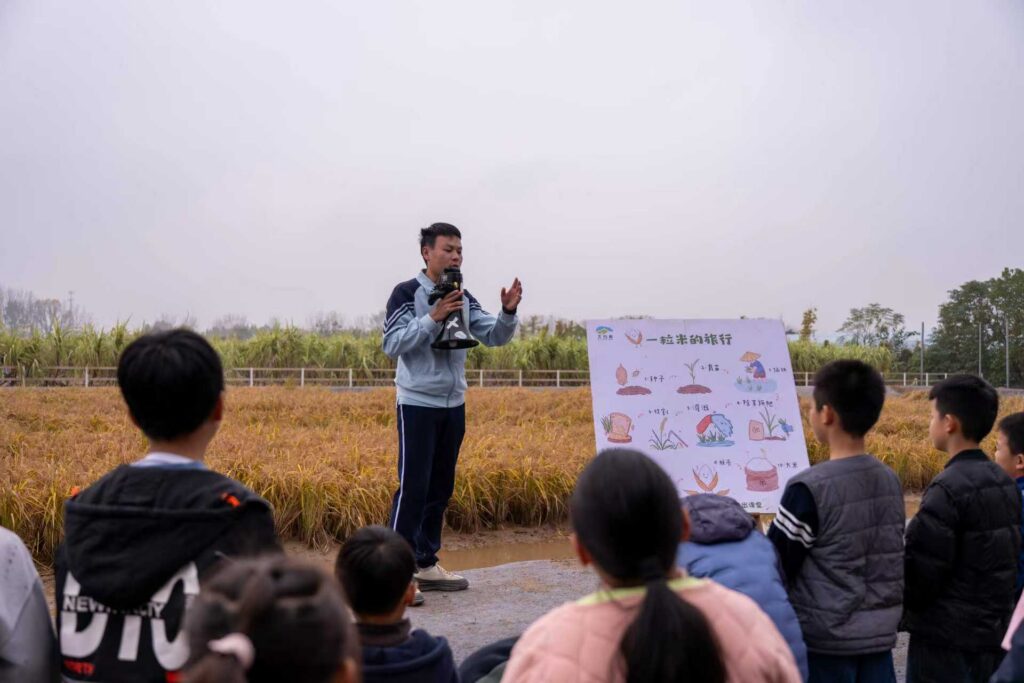
At the “Eco-Agriculture Thematic Lecture Hall,” experts from Belgium, Israel, and Kazakhstan stepped out of academic lecture halls. Using simple language, they taught balcony organic planting techniques and shared practical methods for improving the taste of fruits and vegetables, realizing the life-oriented application of international research concepts. The aroma of live cooking demonstrations made “organic” a perceptible delicious experience rather than just an abstract label.
Building a Complete Innovation Value Chain: Empowering Rural Revitalization
This China-EU cooperation clearly outlines a complete value chain: “International Cooperation & Intelligence Introduction → Integration of Industry, Academia, and Research → Breakthrough of Technical Bottlenecks → Improvement of Industrial Level → Benefit to the Public.”
At the organic agricultural products exhibition area, produce produced with China-EU cooperative technologies were highly favored. After learning the scientific principles behind practices like “grain-mushroom rotation” that enhance soil fertility, many citizens actively chose these ingredients carrying “scientific genes.”
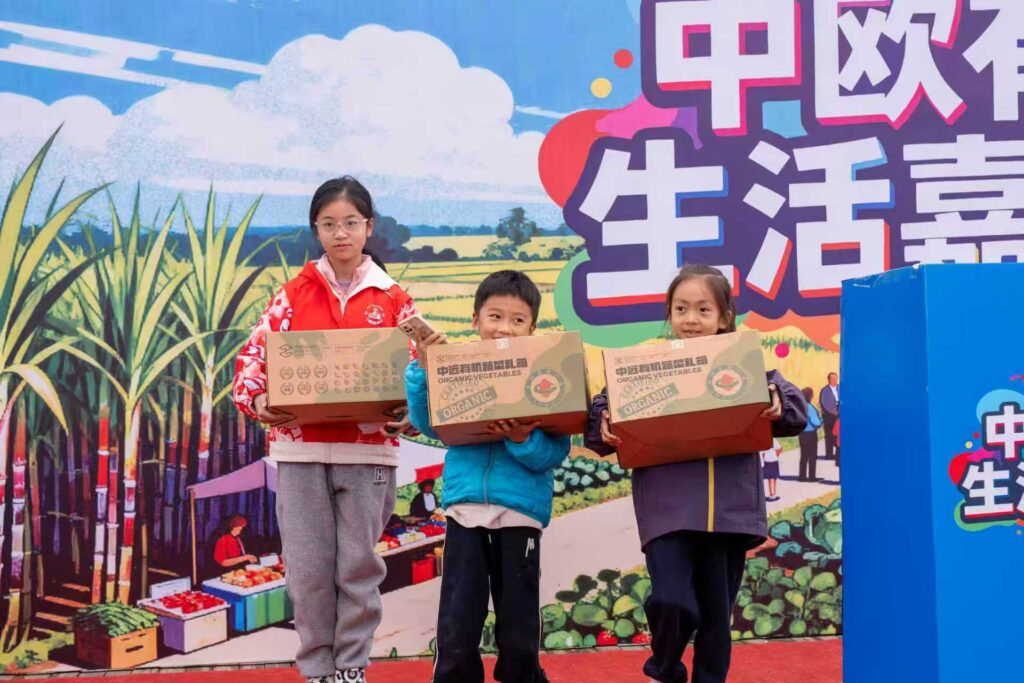
“The cooperation builds a bridge for research results to reach consumers directly,” stated the event organizer. Through this intuitive format, it not only helps citizens build trust in organic agricultural products but also allows research teams to quickly obtain market feedback, forming a virtuous cycle of industry-academia-research interaction.
As the two cooperating parties, the relevant laboratory at China Agricultural University leads internationally in fields such as biodiversity-based pest control and efficient nutrient utilization, while the Henan Zhongyuan Organic Agriculture Research Institute has long been committed to promoting organic ecological agriculture technology, with products covering over ten provinces and cities across the country. This robust scientific strength provides solid support for the implementation of the cooperation.
The innovative practice of China-EU agricultural S&T cooperation vividly interprets the livelihood value of high-end research: when laboratory results transform into healthy ingredients on the dining table, and when top scientists become “gardening consultants” for ordinary people, technology completes its core mission of serving a better life. With the deepening of such international cooperation, it will inject new momentum into the high-quality development of Chinese agriculture, provide strong support for the implementation of the rural revitalization strategy, and contribute a “Chinese Solution” for global agricultural sustainable development to the world.